
Recognizing the signs you need a root canal can help you get treatment before an infection spreads. Persistent toothache, sensitivity to hot or cold that lingers, pain when chewing, and swelling around the gums may point to inflammation or infection inside a tooth. These symptoms also occur with other dental conditions, so only an examination can confirm the cause.
A root canal removes infected or inflamed tissue from inside the tooth, cleans the root canals, and seals them to preserve the natural tooth. Catching symptoms early improves the chances of treating the problem before complications develop.
What happens inside the tooth when the nerve is infected
Inside every tooth is a soft tissue called the dental pulp, which contains nerves, blood vessels, and connective tissue. The pulp extends from the crown of the tooth into the root canals. When bacteria reach this tissue, they can cause inflammation or infection.
A tooth nerve infection commonly develops when untreated tooth decay spreads deeper into the tooth. Cracks, dental injuries, and repeated dental procedures can also damage the pulp and allow bacteria to enter.
In the early stages, the affected tooth may become sensitive to temperature changes or cause occasional discomfort. As the inflammation progresses, the pain may become more persistent or occur without an obvious trigger. If bacteria spread beyond the root, an infection may develop in the surrounding tissues.
Not every toothache requires a root canal. Some problems can be treated with a filling or another conservative procedure. However, when the pulp is too inflamed or infected to recover, root canal treatment may be necessary to preserve the tooth.
Main signs you need a root canal: Lingering pain, hot/cold sensitivity, swelling
The signs you need a root canal can vary depending on the cause and severity of the problem. The following eight symptoms are important to recognize, although none can confirm the need for treatment without a dental assessment.
1. Persistent or severe toothache
One of the most common signs you need a root canal is tooth pain that lasts more than a few days or keeps returning. The pain from an infected nerve, often called root canal pain, may feel sharp, throbbing, or deep inside the tooth. It may also start on its own, even when you are not eating or drinking.
Pain that interferes with sleep or everyday activities points to inflammation of the dental pulp. If it wakes you at night, book a same-day or next-day appointment; otherwise, arrange one within a few days rather than relying on painkillers alone.
2. Lingering sensitivity to hot and cold
Sensitive teeth are common, so the duration of the discomfort is the most useful clue. Ordinary sensitivity fades within a few seconds of removing the trigger. Pain that continues for 30 seconds or longer after a hot or cold drink suggests inflammation inside the tooth, especially when it comes with spontaneous toothache.
The shorter kind of sensitivity usually results from enamel erosion, gum recession, or exposed dentine (the layer beneath the enamel).
3. Pain when biting or chewing
Pain when biting down can come from inflammation around the root, a cracked tooth, or another dental problem. You may notice it when chewing food or when the upper and lower teeth meet.
On its own, this symptom is not specific to nerve infection. Combined with lingering pain or temperature sensitivity, it makes nerve involvement more likely and should be assessed within a few days.
4. Swollen gums, a pimple-like bump, or a dental abscess
Swelling in the gum next to one tooth is a sign of infection in the surrounding tissue. The gum may look red, tender, or puffy, and a small pimple-like bump can appear near the root. That bump is often a draining sinus tract, a small channel through which pus escapes, and it can relieve pressure so the pain eases.
A dental abscess is a pocket of pus caused by a bacterial infection near the root. It can cause pain, swelling, a bad taste in the mouth, or an unpleasant smell, although some abscesses cause only mild symptoms. Any of these findings needs a same-day or next-day appointment. Root canal treatment may be appropriate if the tooth can be saved, while drainage or other procedures may also be necessary depending on the condition.
5. Tooth discoloration
A tooth that turns darker, grey, or brown compared with neighboring teeth may have damaged or dead pulp, often after trauma.
Color change alone does not establish the need for a root canal. A darkening tooth that also hurts, or that has a history of injury, should be examined by a dentist.
6. A loose tooth
A tooth that feels wobbly can mean the infection has spread to the bone that supports the root. Looseness also has other causes, such as gum disease or injury, so the tooth needs an examination and an X-ray to find out which applies.
7. A tooth that stops hurting after severe pain
A sudden reduction in tooth pain may seem reassuring, but it does not always indicate recovery. In some cases, the pulp tissue loses its vitality, so the pain decreases even though infection remains or develops around the root.
A dentist can assess the tooth’s vitality and surrounding tissues to determine whether treatment is needed. Do not assume that the problem has resolved simply because the tooth no longer hurts.
8. Pain in a tooth that was already treated
Mild sensitivity for a few days to a couple of weeks is common after a filling. Pain that lasts longer, gets worse, or starts without a trigger suggests the nerve under the filling is not recovering.
A crowned tooth can also develop problems, because decay or a crack under the crown can reach the pulp. Pain that does not settle after a crown is fitted, or that starts later on a crowned tooth, needs to be checked. Some sensitivity is expected after temporary crown placement while the tooth settles, but severe, throbbing, or biting pain that continues beyond the first week or two should be reported to your dentist.
Tooth sensitivity vs an infected nerve: How to tell
Sensitive teeth do not always indicate a tooth nerve infection. Understanding the differences between ordinary sensitivity and symptoms associated with pulp inflammation can help you decide when to seek dental care.
Short-lived sensitivity to cold drinks, hot food, or sweet foods is usually harmless, but it is still worth mentioning to your dentist.
Lingering pain, spontaneous pain, or pain that becomes severe at night calls for earlier assessment. Pain when biting, gum swelling, or a persistent toothache can also indicate a more serious problem.
The following table summarizes common symptom patterns, what they may indicate, and how soon to act.
Table: Tooth Sensitivity vs Possible Root Canal Symptoms
| Symptom | Possible explanation | Recommended action |
|---|---|---|
| Brief sensitivity to cold drinks | Exposed dentine, enamel wear, or gum recession | Mention it at your next check-up; book sooner if it keeps recurring |
| Lingering hot or cold sensitivity | Inflammation of the dental pulp | Book within a few days |
| Persistent or spontaneous toothache | Pulp inflammation or infection | Book within a few days, or same-day or next-day if it wakes you at night |
| Pain when biting | Root inflammation, a cracked tooth, or another dental issue | Book within a few days so a crack or root infection can be ruled out |
| Gum swelling or pus | Dental abscess or another infection | Seek a same-day or next-day appointment, because the infection can spread |
| Darkening of a tooth after an injury | Damage to the dental pulp | Arrange an examination and X-ray, even if the tooth is painless |
These symptoms can overlap, so the table should not be used as a substitute for a professional diagnosis.
When it becomes an emergency: Abscess warning signs
A dental abscess can develop when bacteria spread into the tissues surrounding a tooth. It may cause intense toothache, localized swelling, pus, fever, or a general feeling of being unwell.
If you notice a painful swelling or pus near a tooth, seek a same-day or next-day dental appointment. An abscess will not reliably resolve without appropriate treatment.
Some warning signs require immediate emergency medical attention, including difficulty breathing or swallowing, significant swelling of the face or neck, or swelling that spreads rapidly. Fever accompanied by facial swelling or feeling seriously unwell also warrants urgent assessment.
Treatment may involve draining the infection, performing a root canal to preserve the tooth, or extracting the tooth if it cannot be saved. Antibiotics may be prescribed in certain circumstances, but they do not replace necessary dental treatment.
How your dentist confirms the diagnosis
The signs you need a root canal provide useful clues, but a dentist must examine the tooth before recommending treatment.
The assessment usually begins with questions about your symptoms, including when the pain started, how long sensitivity lasts, and whether chewing makes the discomfort worse.
The dentist may then examine the tooth for decay, cracks, discoloration, and swelling around the gums. Temperature tests, percussion tests (gentle tapping on the tooth), and pulp vitality tests (which check whether the nerve responds) may help evaluate the condition of the tooth.
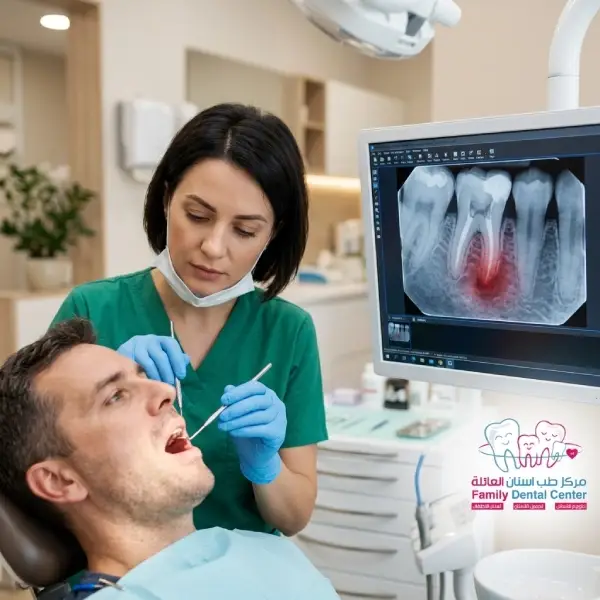
A root canal X-ray can reveal the shape of the roots, the surrounding bone, and possible changes near the root tip. It can also help the dentist assess the extent of certain infections and plan treatment. However, early pulp inflammation may not produce visible changes on an X-ray, so the image must be interpreted alongside the clinical examination.
Based on these findings, the dentist can determine whether the tooth needs a filling, root canal treatment, another procedure, or further investigation.
Treatment options: Root canal, filling or extraction
The appropriate treatment depends on the extent of tooth damage.
How to know if you need a root canal or filling
The deciding factor is whether the pulp inflammation is reversible. In reversible pulpitis (inflammation of the pulp), the nerve is irritated but healthy enough to recover once the cause, usually decay, is removed. The pain is brief and fades quickly. In irreversible pulpitis, the inflammation cannot heal. The pain lingers, arrives without a trigger, or wakes you at night.
Short-lived sensitivity usually points toward a filling, while lingering or spontaneous pain, swelling, or an abscess seen on an X-ray points toward a root canal. These patterns are only a guide, and the root canal vs filling decision is confirmed by the dentist’s tests and X-ray.
What each treatment involves
A filling is enough in the reversible case. Removing the decay and restoring the tooth prevents the problem from progressing.
Root canal treatment is recommended when the tooth can be restored. The dentist removes the affected tissue, cleans and disinfects the canals, and seals them. A permanent filling or crown may then be needed to restore the tooth’s strength and function.
Extraction may be considered when the tooth is too damaged to restore, has a poor long-term prognosis, or cannot reasonably be preserved. Depending on the circumstances, replacing the missing tooth may be discussed.
The goal is to choose a treatment that addresses the underlying problem while preserving healthy tooth structure whenever possible. Your dentist can explain the benefits, limitations, expected costs, and likely outcomes of each option.
Frequently Asked Questions
How do I know if my tooth nerve is dead?
A dead (non-vital) tooth nerve may be associated with discoloration, tenderness when biting, or swelling near the root. However, some non-vital teeth have no obvious symptoms. A dentist may use pulp vitality tests, a clinical examination, and X-rays to assess the tooth and determine whether treatment is necessary.
Can a tooth infection go away on its own?
No. A tooth infection involving the dental pulp, or a dental abscess, does not heal without professional treatment. Pain may drop temporarily if the nerve dies or an abscess drains, but the infection remains. See a dentist to identify and treat the source.
How long can I wait before seeing a dentist for tooth pain?
Not more than a few days. Pain that persists, worsens, or keeps returning should be assessed within a few days, while swelling, pus, or fever calls for a same-day or next-day appointment. Difficulty breathing or swallowing, or rapidly spreading facial or neck swelling, requires immediate emergency medical attention.
Can a root canal be done without pain?
Root canal treatment is usually performed under local anesthesia to minimize pain during the procedure. You may feel pressure or vibration, and some tenderness can occur afterward. If you experience pain during treatment, tell your dentist so they can assess whether additional anesthesia or another adjustment is needed.
If you are experiencing these symptoms, contact Family Dental Centre to arrange a dental consultation and discuss the most appropriate options for protecting your oral health.