
Tartar buildup is a common dental problem that can affect your teeth and gums if it is not treated. Unlike soft plaque, tartar is hardened and cannot be removed with ordinary brushing or flossing. Professional tartar removal helps eliminate these deposits, improve gum health, and reduce the risk of dental problems. In this guide, learn how tartar forms, how dentists remove it, what to expect during treatment, and how to prevent it from returning.
What Is Tartar and How Is It Different from Plaque?
Plaque and tartar are related, but they are not the same. Understanding the difference helps explain why regular brushing is important and why professional cleaning may sometimes be necessary.
Plaque vs Tartar
Dental plaque is a soft, sticky film of bacteria that continuously forms on the surfaces of teeth. It develops when bacteria mix with food particles and saliva.
If plaque is not removed regularly through brushing and flossing, minerals in saliva can cause it to harden into tartar.
The main differences include:
| Feature | Plaque | Tartar |
|---|---|---|
| Texture | Soft and sticky | Hard and rough |
| Appearance | Usually colourless or pale yellow | Yellow, brown, or sometimes darker |
| Removal | Can be removed by brushing and flossing | Requires professional dental removal |
| Formation | Develops continuously | Forms when plaque hardens |
| Main concern | Contributes to tooth decay and gum inflammation | Encourages further plaque accumulation and increases gum disease risk |
What Is Dental Calculus?
Dental calculus is the clinical term for tartar. It is hardened plaque that attaches firmly to tooth surfaces, particularly near the gumline and between teeth.
Calculus can form above the gumline, where it may be visible, or below the gumline, where it is more difficult to detect without a dental examination.
Once dental calculus develops, brushing and flossing cannot remove it completely. A dentist or dental hygienist must use professional instruments to remove the hardened deposits safely.
Signs You Have Tartar Buildup
Tartar on teeth does not always cause pain, especially during the early stages. However, several signs may indicate that professional cleaning is needed.
Common signs include:
- Yellow or brown deposits near the gumline.
- Rough or hard areas on the surfaces of teeth.
- Persistent bad breath.
- Red, swollen, or tender gums.
- Bleeding when brushing or flossing.
- A persistent unpleasant taste in the mouth.
- Visible buildup behind the lower front teeth or around the upper back teeth.
- Tartar may also develop below the gumline without being clearly visible. Therefore, the absence of obvious deposits does not necessarily mean that your teeth are free from calculus.
A dental examination can identify buildup and determine whether routine scaling or more advanced periodontal treatment is required.
How Tartar Damages Your Teeth and Gums
Tartar buildup can affect oral health because its rough surface makes it easier for additional plaque and bacteria to accumulate.
If it remains untreated, it may contribute to several dental problems.
1. Gingivitis
Gingivitis is an early form of gum disease. Bacteria in plaque and around tartar deposits can irritate the gums, causing redness, swelling, and bleeding.
At this stage, professional cleaning and improved daily oral hygiene can often help control the inflammation.
2. Periodontitis
If gum inflammation is not managed, it may progress to periodontitis in some patients.
This more advanced condition affects the tissues and bone that support the teeth. It can lead to periodontal pockets, gum recession, and loss of supporting bone.
Treatment may require deep cleaning and ongoing periodontal maintenance.
3. Persistent Bad Breath
Bacteria can accumulate around tartar deposits and below the gumline, producing unpleasant-smelling compounds. This may contribute to persistent bad breath even when you brush regularly.
4. Increased Risk of Tooth Loss
Tartar does not directly make a healthy tooth fall out. However, the gum disease associated with long-term plaque and calculus buildup can damage the supporting tissues and bone.
In advanced cases, this damage may cause teeth to become loose or eventually require extraction.
Can You Remove Tartar at Home?
Many people search for how to remove tartar at home, especially when they notice yellow or brown deposits on their teeth.
The important distinction is between preventing plaque and removing hardened tartar.
You can remove soft plaque through effective brushing and flossing. However, once plaque has hardened into dental calculus, home cleaning methods cannot safely remove it completely.
Does Baking Soda Remove Tartar?
Baking soda may help remove some surface stains and assist with plaque control when used in an appropriate toothpaste. However, it does not dissolve or reliably remove hardened tartar.
Using abrasive mixtures or scrubbing aggressively may irritate your gums or contribute to enamel wear.
What About Tartar Removal Tools at Home?
Metal dental scrapers and sharp instruments sold for home use can cause injuries if used incorrectly. They may damage the gums, scratch tooth surfaces, or push deposits further below the gumline.
For safe and effective tartar removal, professional dental cleaning is the recommended option.
How Do Dentists Remove Tartar?
Professional tartar removal involves using specialised dental instruments to remove hardened deposits from tooth surfaces.
The dentist or dental hygienist first examines your teeth and gums to determine the amount and location of tartar.
1. Ultrasonic Scaling
Ultrasonic scalers use high-frequency vibrations and water to break up and remove tartar deposits.
The instrument helps loosen calculus from the tooth surface while water helps flush away debris and keep the area cool.
Ultrasonic scaling is commonly used for removing moderate or extensive deposits.
2. Manual Scaling
Dental professionals may also use specialised hand instruments called scalers and curettes.
These instruments allow them to remove deposits from specific areas, including spaces between teeth and areas near the gumline.
Manual instruments may be used alongside ultrasonic scaling to remove remaining deposits.
3. Polishing
After scaling, the dentist may polish the teeth using a professional polishing cup or brush and a suitable polishing paste.
Polishing helps remove certain surface stains and leaves the teeth feeling smoother. It does not replace scaling because polishing alone cannot remove hardened calculus.
4. Follow-Up Assessment
If there are signs of gum disease, the dentist may assess gum pockets and other periodontal measurements.
Patients with deeper deposits or periodontal damage may need additional treatment and follow-up appointments.
Scaling and Polishing vs Deep Cleaning: Which Do You Need?
Although both procedures remove deposits from teeth, routine scaling and polishing and periodontal deep cleaning are not the same treatment.
| Feature | Scaling and Polishing | Deep Cleaning |
|---|---|---|
| Main purpose | Remove plaque, tartar, and selected surface stains | Treat periodontal disease by cleaning below the gumline |
| Treatment area | Visible tooth surfaces and areas around the gumline | Tooth roots and periodontal pockets |
| Common indication | Routine preventive dental care | Periodontitis or significant deposits below the gums |
| Anaesthesia | Usually not required | Local anaesthesia may be used |
| Follow-up | Based on individual oral health needs | Often requires periodontal reassessment and maintenance |
What Is Deep Cleaning Teeth?
Deep cleaning teeth usually refers to scaling and root planing.
It involves removing plaque and calculus from below the gumline and cleaning the root surfaces to help reduce periodontal inflammation and support gum healing.
Your dentist may recommend this procedure if you have periodontal pockets, bone loss, or other signs of periodontitis.
Not everyone with tartar needs deep cleaning. The appropriate treatment depends on the condition of your gums and the location and extent of the deposits.
Does Tartar Removal Hurt?
For most people, routine tartar removal is manageable and does not cause significant pain.
However, you may experience some pressure, vibration, or sensitivity during the procedure, particularly if you have extensive tartar buildup or inflamed gums.
Sensitivity may be more noticeable when:
- Your gums are already swollen or tender.
- Tartar has accumulated below the gumline.
- You have exposed tooth roots.
- You have sensitive teeth.
- You require deep cleaning rather than routine scaling.
If you feel uncomfortable, tell your dentist. They can adjust the technique, take breaks, or consider local anaesthesia when appropriate.
How Long Does Tartar Removal Take?
The time required for tartar removal depends on how much calculus has accumulated and whether the cleaning is routine or part of periodontal treatment.
A routine scaling and polishing appointment may take approximately 30 to 60 minutes, although some cases require more time.
Deep cleaning may take longer and may be divided into multiple appointments, depending on the number of affected areas and the severity of gum disease.
Your dentist can provide a more accurate estimate after examining your teeth and gums.
Tartar Removal Cost in Oman
The cost of tartar removal in Oman can vary depending on the dental clinic, the amount of calculus, and the type of treatment required.
Routine scaling and polishing generally involve a different level of treatment from periodontal deep cleaning.
Factors that may affect the cost include:
- The amount of tartar buildup.
- Whether deposits are present above or below the gumline.
- The need for deep cleaning or additional periodontal treatment.
- The number of appointments required.
- Whether additional dental examinations or X-rays are necessary.
For an accurate estimate, arrange a dental examination and ask the clinic about the treatment options and fees before starting the procedure.
What to Expect After Tartar Removal
After professional tartar removal, your teeth may feel smoother and cleaner. You may also notice that some areas around the gumline look different because the deposits that were covering the tooth surfaces have been removed.
Some temporary effects are possible, particularly if you had extensive buildup or gum inflammation.
Common After-Effects
You may experience:
- Mild gum tenderness.
- Temporary tooth sensitivity to hot or cold foods.
- Slight bleeding, particularly if your gums were inflamed.
- A feeling of increased space between some teeth.
- Changes in how your teeth feel when your tongue touches them.
These effects often improve as the gums recover. However, severe pain, persistent bleeding, or swelling should be assessed by your dentist.
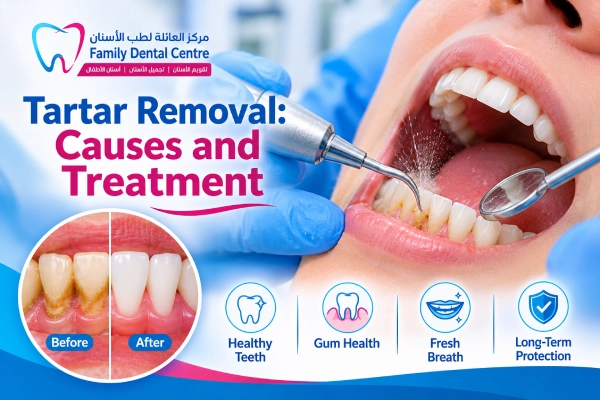
Tartar Removal Before and After: What Changes Can You Expect?
Before treatment, tartar may appear as yellow or brown deposits around the gumline and between teeth.
After professional cleaning, these deposits are removed, leaving the tooth surfaces cleaner and smoother. If your gums were inflamed, their appearance may gradually improve with proper oral hygiene and follow-up care.
The final result depends on the amount of buildup, gum health, and whether periodontal disease is present.
How Often Should You Have Tartar Removed?
There is no single cleaning schedule that is suitable for everyone.
Some people benefit from a professional cleaning approximately every six months, while others may need more frequent appointments because of gum disease, heavy tartar buildup, smoking, or other risk factors.
Patients receiving periodontal treatment may require maintenance visits at intervals recommended by their dentist.
Your dentist can suggest a suitable schedule based on your oral health, rate of tartar formation, and gum condition.
How to Prevent Tartar Buildup
Although professional cleaning removes existing tartar, daily oral hygiene helps prevent new plaque from accumulating and hardening.
Follow these habits to reduce tartar formation:
Brush Twice Daily
Brush your teeth for two minutes, twice a day, using fluoride toothpaste. Pay attention to the gumline and the surfaces of your back teeth.
Floss Every Day
Use dental floss or interdental brushes to clean between your teeth, where a toothbrush cannot reach effectively.
Use a Suitable Toothbrush
A soft-bristled toothbrush can help clean your teeth while reducing the risk of irritating your gums. Replace it when the bristles become worn.
Clean Your Tongue
Gently cleaning your tongue can help reduce bacteria and improve breath freshness.
Limit Frequent Sugary Snacks
Frequent consumption of sugary foods and drinks can increase the risk of plaque-related tooth decay. Try to limit snacking and maintain a balanced diet.
Avoid Smoking
Smoking increases the risk of gum disease and can make it harder to maintain healthy gums. Quitting tobacco supports better oral health.
Attend Regular Dental Check-Ups
Regular examinations help identify plaque accumulation, early gum inflammation, and tartar before these problems become more serious.
How to Choose a Dental Clinic for Tartar Removal in Muscat
Choosing a suitable dental clinic is important for safe and effective tartar removal.
When comparing dental clinics in Muscat, consider the following:
- Qualified dental professionals: Check that your treatment is provided by appropriately qualified dental professionals.
- Proper examination: The dentist should assess your teeth and gums before recommending a cleaning procedure.
- Suitable equipment: The clinic should use appropriate professional instruments and follow infection-control procedures.
- Clear treatment explanation: You should understand whether you need routine scaling and polishing or periodontal deep cleaning.
- Transparent pricing: Ask about the cost and whether additional procedures may be required.
- Follow-up care: Choose a clinic that can advise you on preventing future buildup and maintaining gum health.
- The right treatment should be based on your dental condition rather than a one-size-fits-all cleaning schedule.
Book a Tartar Removal Appointment
Regular professional cleaning can help maintain healthy teeth and gums by removing hardened deposits that daily brushing cannot eliminate.
If you have noticed yellow or brown tartar on your teeth, bleeding gums, or persistent bad breath, a dental examination can help identify the cause and determine the most suitable treatment.
At Family Dental Centre in Oman, you can seek professional dental advice about tartar buildup, scaling and polishing, and gum health.
Book an appointment to discuss your oral health needs and take a step towards a cleaner, healthier smile.
Frequently Asked Questions
Can Tartar Removal Damage Your Teeth?
When performed by a qualified dental professional using appropriate instruments and techniques, tartar removal is generally safe and does not damage healthy tooth enamel. Professional scaling removes hardened deposits rather than removing the tooth’s natural structure.
Does Tartar Come Back After It Is Removed?
Yes. Tartar can form again when plaque is not removed regularly. Brushing twice daily, flossing, and attending professional dental cleanings can help reduce the rate of buildup.
Why Do Gums Bleed After Tartar Removal?
Gums may bleed slightly after cleaning, particularly if they were already inflamed due to gingivitis or periodontitis. Bleeding should generally improve as gum health recovers. Persistent or heavy bleeding should be checked by your dentist.
Will Teeth Feel Loose After Tartar Removal?
Some people notice movement or spaces between their teeth after tartar removal. This may happen because heavy deposits were previously covering areas around the teeth. If gum disease has already damaged the supporting tissues and bone, the teeth may genuinely have some mobility. Your dentist can assess the cause.
Is Tartar Removal Safe During Pregnancy?
Routine professional dental cleaning is generally considered safe during pregnancy and can help manage gum inflammation. Tell your dentist that you are pregnant and mention your stage of pregnancy and any relevant medical advice. Your dentist can recommend an appropriate treatment plan.
Can You Have Tartar Removed While Fasting in Ramadan?
From a dental perspective, routine scaling can generally be performed during Ramadan. However, water, saliva, or polishing materials may enter the throat during treatment. If you are fasting and concerned about the religious ruling, ask a trusted religious authority. You can also arrange your appointment after Iftar if you prefer.
Is Ultrasonic Tartar Removal Safe?
Ultrasonic scaling is a widely used professional method for removing tartar. When performed correctly by a trained dental professional, it is generally safe. Your dentist will choose the appropriate instruments and technique based on your oral health and medical history.