

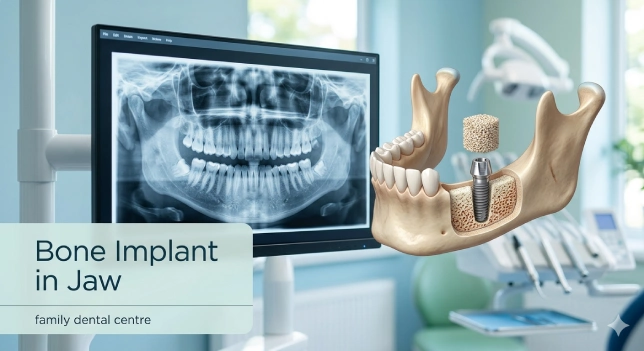
Bone implant in jaw procedures have become a crucial solution for patients suffering from bone loss due to missing teeth, gum disease, or trauma. In Oman, advanced dental technologies have made these treatments safer and more effective than ever. This guide covers everything you need to know—from types and procedures to costs, risks, and long-term success—helping you make an informed decision with confidence.
What Is Bone Implant in Jaw and When Do You Need It?
Definition of Jaw Bone Implant and How It Works
A bone implant in the jaw, commonly known as a bone graft, is a procedure used to rebuild or strengthen jawbone structure. It provides a solid foundation for dental implants or restores bone lost due to disease or injury. The graft material integrates with your natural bone over time, creating a stable base for future dental work.
Common Reasons for Jaw Bone Loss
Jawbone loss can occur for several reasons, including tooth loss, untreated gum disease, infections, or trauma. When a tooth is missing for a long time, the bone in that area begins to shrink due to lack of stimulation. This can affect both oral function and facial appearance.
Signs You May Need a Bone Implant in Jaw
Common signs include difficulty placing dental implants, noticeable changes in facial structure, loose dentures, or gum recession. A dental evaluation with imaging is usually required to confirm bone loss and determine the need for grafting.
Bone Implant vs Dental Implant: Key Differences
A bone implant rebuilds the jawbone, while a dental implant replaces a missing tooth root. In many cases, bone grafting is performed before placing a dental implant to ensure long-term success.
Types of Bone Implant in Jaw Procedures Available in Oman
Autogenous Bone Graft (Using Patient’s Own Bone)
This type uses bone taken from another area of the patient’s body, often the chin or jaw. It is considered the most effective because it integrates naturally and has a high success rate.
Allograft and Xenograft Options in Oman Clinics
Allografts use donor bone from human sources, while xenografts come from animal sources (usually bovine). These are widely used in Oman due to their availability and reduced need for additional surgery.
Synthetic Bone Graft Materials and Their Benefits
Synthetic grafts are made from biocompatible materials designed to stimulate natural bone growth. They eliminate the need for donor tissue and are increasingly popular in modern clinics.
Sinus Lift and Ridge Augmentation Procedures
These are specialized procedures used when bone loss occurs in specific areas. A sinus lift adds bone to the upper jaw, while ridge augmentation rebuilds the jawline for implant placement.
H2: Step-by-Step Process of Bone Implant in Jaw Surgery
Preparation Before Bone Implant in Jaw in Oman Clinics
The process begins with a detailed consultation, including X-rays or 3D scans. The dentist evaluates bone density and creates a personalized treatment plan.
Surgical Procedure for Bone Implant Placement
During surgery, the graft material is placed in the affected area and secured. The procedure is typically done under local anesthesia and may take one to two hours.
Healing Phase and Bone Integration Process
After surgery, the body gradually integrates the graft with natural bone. This process can take several months, depending on the type of graft used.
Follow-Up Visits and Monitoring Progress
Regular follow-ups ensure proper healing and allow the dentist to monitor bone growth before proceeding with further treatments like dental implants.
H2: Risks and Complications of Bone Implant in Jaw
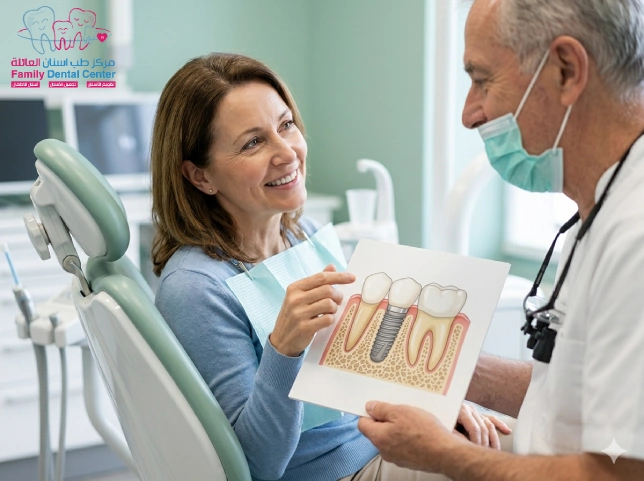
Common Side Effects After Bone Implant Surgery
Mild swelling, discomfort, and bruising are normal after the procedure. These symptoms usually subside within a few days.
Potential Complications and How to Avoid Them
Although rare, complications such as infection or graft failure may occur. Choosing an experienced dentist and following aftercare instructions greatly reduces these risks.
When to Contact Your Dentist After Surgery
Patients should contact their dentist if they experience severe pain, prolonged swelling, or signs of infection such as fever.
Factors That Increase Risk of Failure
Smoking, poor oral hygiene, and certain medical conditions can increase the risk of complications. Proper care is essential for success.
H2: Cost of Bone Implant in Jaw in Oman
Average Bone Implant Cost in Oman 2026
The cost typically ranges between 300 to 1200 OMR depending on the procedure and materials used.
Price Differences Between Clinics in Muscat and Other Cities
Clinics in Muscat may charge higher prices due to advanced technology and experienced specialists, while other cities may offer more affordable options.
What Is Included in the Total Treatment Cost?
Costs may include consultation, imaging, surgery, and follow-up visits. Some clinics offer package deals covering the entire treatment.
Payment Plans and Insurance Coverage Options
Many clinics in Oman provide installment plans, and some insurance policies may partially cover the procedure.
Best Clinics for Bone Implant in Jaw in Oman
How to Choose a Trusted Bone Implant Specialist
Look for a dentist with experience in oral surgery and positive patient reviews. Certification and specialization are key factors.
Comparing Top Dental Clinics in Oman
Top clinics offer advanced equipment, experienced staff, and high sterilization standards, ensuring safe and effective treatment.
Importance of Technology and Sterilization Standards
Modern tools such as 3D imaging and laser technology improve accuracy and reduce recovery time.
Patient Reviews and Success Stories
Real patient experiences provide insight into treatment quality and overall satisfaction.
Bone Implant in Jaw Success Rate and Long-Term Results
Success Rate of Bone Implant Procedures
Bone graft procedures have a high success rate, often exceeding 90% when performed correctly.
Factors Affecting Long-Term Results
Factors include patient health, oral hygiene, and adherence to post-surgery care instructions.
How to Maintain Bone Implant Health
Maintaining good oral hygiene and attending regular dental check-ups are essential for long-term success.
Bone Implant Before and After Results
Patients often experience improved jaw strength, better facial structure, and successful dental implant placement after healing.
Conclusion
Bone implant in jaw procedures offer a reliable solution for restoring lost bone and preparing for dental implants. With modern techniques available in Oman, patients can achieve safe and long-lasting results. Consulting a qualified specialist and following proper care guidelines are key steps toward a successful outcome.
FAQS
Is Bone Implant in Jaw Painful?
Contrary to common anxiety, a bone implant procedure is not painful. Modern local anesthesia ensures you won’t feel any discomfort during the surgery. Post-operatively, most patients describe the sensation as a “mild pressure” or “manageable soreness” similar to a simple tooth extraction. By using minimally invasive techniques, we focus on reducing swelling, making the recovery phase much smoother than many expect.
How Long Does Bone Implant in Jaw Take to Heal?
Healing happens in two vital stages. The initial soft tissue (gum) healing typically takes 10 to 14 days. However, the “magic” happens during the osseointegration phase, where the new bone fuses with your natural jawbone; this process usually takes between 3 to 6 months. This timeframe ensures a rock-solid foundation capable of supporting dental implants for a lifetime.
What Are the Success Rates for Bone Implant in Jaw?
Jaw bone grafting boasts an impressive global success rate of over 95%. These high numbers are achieved through precise digital 3D planning, the use of premium biocompatible materials, and the patient’s commitment to post-care hygiene. It is considered one of the most predictable and reliable procedures in restorative dentistry today.
Can Anyone Get Bone Implant in Jaw in Oman?
Generally, yes. Most residents and citizens in Oman are excellent candidates. However, the final decision depends on a comprehensive health screening. We carefully evaluate factors like uncontrolled diabetes or heavy smoking. Thanks to the advanced medical infrastructure in the Sultanate, we can now provide customized bone grafting solutions even for complex cases, ensuring safety and excellence for every patient.