

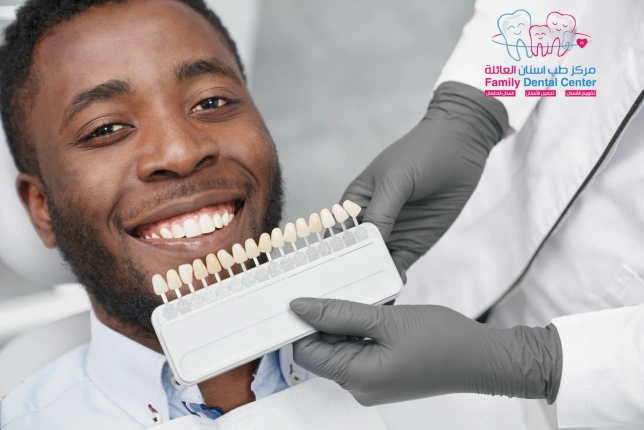
Composite bonding is a simple cosmetic dental treatment that can improve the shape, color, and overall appearance of teeth without extensive tooth preparation. Using a tooth-colored composite resin, dentists can correct minor chips, gaps, discoloration, and uneven tooth shapes while maintaining a natural-looking smile. But how does this treatment work, how long does it last, and is it the right option for your smile? This guide covers the key benefits, procedure, durability, and aftercare of composite bonding to help you understand what to expect.
What Is Composite Bonding?
Composite bonding is one of the most popular and minimally invasive treatments in modern Cosmetic Dentistry. It involves applying a tooth-colored resin material to the surface of the tooth to improve its shape, color, and overall appearance. Dentists use a high-quality composite resin that blends naturally with your teeth, making it a preferred option for those seeking aesthetic improvements without undergoing extensive procedures. Patients often choose this treatment because it delivers fast, noticeable results with minimal discomfort.
Before diving deeper into the procedure and its benefits, it’s important to understand how the process works and who is considered an ideal candidate.
How the Procedure Works
The technique relies on a multi-step process that allows the dentist to sculpt and mold the resin into a desired shape. First, the tooth surface is gently etched to improve bonding strength. Then, a special adhesive is applied, followed by layers of composite resin. Each layer is hardened using a curing light, allowing the dentist to gradually build the tooth’s shape. Finally, the bonded tooth is polished to achieve a natural, smooth finish that matches surrounding teeth.
Who Is a Good Candidate?
This treatment is ideal for patients with minor to moderate cosmetic concerns. Good candidates include those with chipped teeth, small gaps between teeth, discoloration, or slightly misshapen teeth. It’s also suitable for individuals seeking a fast cosmetic upgrade without the cost or complexity of treatments like Crowns and Bridges. However, patients with severe bite issues or large structural tooth damage may require more comprehensive restorative treatments.
Key Benefits
Understanding the advantages of this treatment is essential for anyone considering a Cosmetic Dentistry procedure. It stands out because it delivers a natural-looking enhancement at a fraction of the cost of other aesthetic treatments. From improving your smile to protecting tooth structure, the benefits are wide-ranging.
Before diving into technical comparisons, let’s explore why this option is often the first choice for patients looking for an effective cosmetic solution.
Cosmetic Improvements
This treatment offers immediate improvement in tooth aesthetics. It can mask discoloration, reshape uneven teeth, close small gaps, and restore chipped edges. The material is carefully color-matched to ensure a seamless blend, providing a brighter and more aligned smile.
Functional Advantages
Although considered a cosmetic treatment, it also provides functional benefits. It helps reinforce weakened enamel, restores tooth structure, and protects exposed areas from sensitivity. While it may not be as strong as Crowns and Bridges, it certainly enhances everyday function.
Why Patients Prefer It Over Veneers
Unlike veneers, which require permanent enamel removal, this option is reversible. It’s also more affordable and can be completed in a single visit. For many patients, this convenience makes it the best first step into Cosmetic Dentistry.
The Procedure Step-by-Step
To fully appreciate what happens during the process, it helps to look at the journey from start to finish. It’s simple, quick, and minimally invasive compared to other restorative dentistry treatments, allowing patients to enjoy results almost instantly.
Before exploring the individual steps, it’s important to recognize that the process is designed to maintain the natural tooth structure as much as possible.
Initial Consultation
During the initial visit, the dentist evaluates the patient’s oral health and discusses their aesthetic goals. Photos may be taken, and the dentist may design a mock-up to help visualize the final outcome.
Tooth Preparation
Unlike Crowns and Bridges, this treatment requires little to no removal of tooth structure. The surface is gently roughened, and an etching gel is applied to help the resin adhere strongly.
Bonding and Shaping
The composite resin is layered, shaped, and sculpted. The dentist uses artistic precision to mimic natural tooth anatomy, ensuring the final result blends perfectly with the patient’s smile.
Final Polishing
Once the resin is cured, polishing enhances the tooth’s shine, making it look smooth and natural. This final step also protects the material from staining.
Composite Bonding vs. Veneers
Comparing these two options helps patients understand which one best suits their dental needs. Both procedures fall under Cosmetic Dentistry and aim to enhance the smile, but they differ in durability, cost, and treatment approach.
Before diving into each comparison category, it’s helpful to understand why the decision often depends on aesthetic goals and long-term expectations.
Cost Differences
Bonding is significantly cheaper than veneers. While veneers are more durable and stain-resistant, bonding offers an affordable alternative for patients seeking noticeable cosmetic results without major financial investment.
Durability
Veneers last longer than bonding, sometimes up to 15–20 years, while bonding generally lasts 3–7 years depending on care. However, repairs for bonding are easy and inexpensive.
Aesthetic Results
Veneers provide a more polished, high-end look due to their porcelain finish. Bonding still offers excellent cosmetic improvement but may stain more easily over time.
How Long Does It Last?
One of the most common questions patients ask is how durable this treatment is. While it may not match the lifespan of Crowns and Bridges or porcelain veneers, it remains a reliable and effective cosmetic option.
Before exploring the factors that influence longevity, it’s important to note that proper aftercare significantly enhances its lifespan.
Factors Affecting Longevity
Durability depends on oral habits, diet, bite alignment, and daily hygiene. Patients who grind their teeth or bite on hard objects may notice wear more quickly.
When to Consider Touch-Ups
Minor repairs and polish sessions may be needed every year or two. Touch-ups help maintain shine and prevent discoloration.
Aftercare Tips for a Lasting Result
Caring for your new smile is essential to keep the results looking fresh and natural. Proper aftercare also helps prolong the life of the resin material.
Before reviewing specific tips, understand that lifestyle habits play a major role in maintaining your results.
Oral Hygiene Tips
Brush twice daily, floss regularly, and use fluoride toothpaste. Maintaining healthy gums helps support the bonded teeth.
Foods to Avoid
Avoid biting hard foods like nuts, ice, or hard candies. These may chip the resin.
Habits That May Cause Damage
Refrain from nail biting, pen chewing, or opening packages with your teeth, as these habits can weaken the bond.
Common Problems and How to Avoid Them
Even though this is a safe procedure, some patients may experience issues if proper care isn’t taken. Understanding these problems helps prevent damage and maintain long-term results.
Before identifying common issues, it’s important to realize that most problems arise from daily habits rather than the procedure itself.
Staining
The resin can stain from coffee, tea, wine, or smoking. Regular cleaning and avoiding excessive pigmentation help maintain color.
Chipping
Small chips may occur over time. Fortunately, repairs are quick and simple.
Sensitivity
Some patients experience mild sensitivity afterward, which usually improves within a few days.
How Much Does It Cost?
Cost is a deciding factor for many patients, especially when comparing this option to other Cosmetic Dentistry treatments. It remains one of the most affordable cosmetic solutions available.
Before looking at cost variations, it’s important to note that prices depend on the number of teeth treated and the complexity of the case.
Price by Country
Costs vary globally. The United States, UK, and Australia tend to have higher prices, while many Middle Eastern and Asian countries offer more affordable treatments.
Insurance and Financing Options
Many insurance plans do not cover this treatment since it is cosmetic. However, clinics often provide installment plans or financing programs.
Composite Bonding’s Role in Modern Cosmetic Dentistry
This treatment is more than a cosmetic procedure — it’s a versatile option that plays an important role in enhancing dental function and appearance. Many dentists incorporate it as part of comprehensive smile makeover plans alongside treatments like Laser Dentistry, teeth whitening, and Crowns and Bridges. Laser Dentistry, for example, is often used to contour gum tissue before bonding to create a more symmetrical smile. Crowns and Bridges may be recommended when structural damage is too extensive for bonding, making it part of a full restorative pathway. When combined with these advanced treatments, composite bonding becomes a powerful tool in modern Cosmetic Dentistry, offering patients a balanced blend of beauty and function.
References
- Cleveland Clinic. What Is Dental Bonding & What to Expect
- Colgate. Is Composite Resin Bonding Right for You?
- The Journal of the American Dental Association (JADA). The Science of Bonding: From First to Sixth Generation
- GC America. Dental Bonding: Techniques, Procedures, and Applications