
What Is Orthodontic Treatment?
Definition and Main Goals of Orthodontic Treatment
Orthodontic treatment is a specialized branch of dentistry focused on diagnosing, preventing, and correcting misaligned teeth and jaw irregularities. The main goal of orthodontics is to achieve proper alignment of the teeth and a harmonious bite, ensuring that the upper and lower jaws work together efficiently. This type of treatment uses various appliances—such as traditional teeth braces, Invisalign clear aligners, and other corrective devices—to gradually move teeth into their ideal positions. Beyond improving aesthetics, orthodontic treatment enhances chewing efficiency, speech clarity, and long-term oral health by ensuring the teeth and jaw function properly.
How Orthodontics Improves Oral Health and Facial Aesthetics
Orthodontics does far more than straighten teeth; it plays a vital role in improving overall oral health. Misaligned teeth can create tight spaces that trap food and allow plaque to accumulate, increasing the risk of gum disease, tooth decay, and enamel wear
. By correcting these issues, orthodontic treatment makes oral hygiene easier and more effective. Additionally, proper alignment reduces stress on the jaw joints, helping prevent pain and temporomandibular joint (TMJ) problems. From an aesthetic perspective, orthodontics enhances facial symmetry, improves smile appearance, and boosts confidence. Treatments like Invisalign also offer discreet options for patients seeking cosmetic improvements without visible metal brackets.
Common Signs That You Need Orthodontic Treatment
There are several signs that indicate a need for orthodontic care. These include crowded or overlapping teeth, gaps between teeth, difficulty biting or chewing, frequent biting of the cheeks or lips, or noticeable misalignment of the jaw. Other symptoms may include headaches caused by bite imbalance or speech difficulties related to tooth position. If you experience any of these issues, consulting an orthodontist can help determine whether you are a suitable candidate for braces, Invisalign, or other orthodontic appliances.
Types of Orthodontic Treatment
Traditional Teeth Braces: How They Work and Who Needs Them
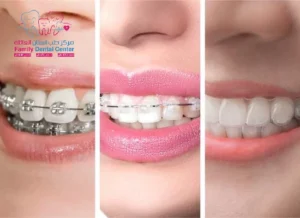
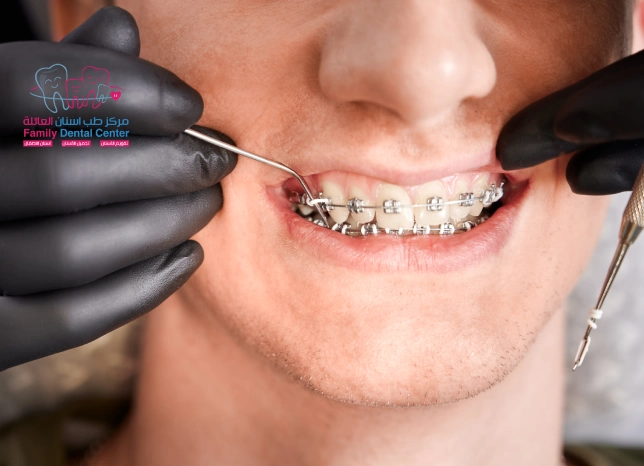
Traditional metal braces are one of the most common orthodontic solutions. They use metal brackets and wires to apply continuous pressure that gradually shifts teeth into proper alignment. This option is ideal for patients who have moderate to severe dental issues such as overcrowding, deep bites, open bites, or significant gaps.
Invisalign: The Clear Alternative to Braces
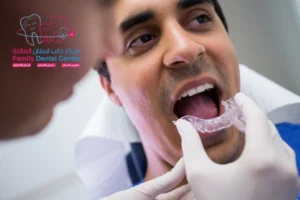
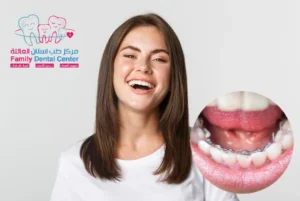
Invisalign offers a discreet solution for patients who prefer a more aesthetic option. It uses clear, removable aligners that gently move teeth over time. Invisalign is perfect for adults and teens who want a nearly invisible treatment experience without the restrictions of metal braces. It is best suited for all alignment issues and allows patients to eat, brush, and floss easily thanks to its removable design.
When to Choose Invisalign vs. Traditional Braces
Choosing between Invisalign and braces depends on the complexity of your case, lifestyle, age, and aesthetic preference. Braces provide maximum control for all cases, while Invisalign offers comfort and discretion for most corrections.
Other Modern Orthodontic Options
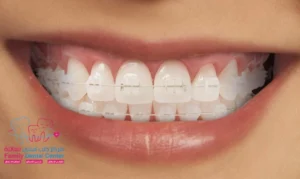
Ceramic braces, lingual braces, and self-ligating systems provide additional treatment choices for patients seeking effective yet visually appealing orthodontic solutions. Ceramic braces, lingual braces, and self-ligating systems provide additional treatment choices for patients seeking effective yet visually appealing orthodontic solutions
Orthodontic Treatment and Oral Health
The Connection Between Orthodontic Treatment and Gum Disease
Orthodontic treatment plays a crucial role in improving gum health by correcting misalignment that makes daily cleaning more difficult. When teeth are properly aligned, it becomes easier to brush and floss effectively, reducing the risk of bacteria buildup that often leads to gum irritation or early gum disease. Many patients notice improved gum stability and reduced bleeding after completing their orthodontic care.
How Misaligned Teeth Increase the Risk of Gum Inflammation
Teeth that are crowded, rotated, or overlapping create tight spaces where food particles and plaque accumulate. These areas are harder to clean, allowing harmful bacteria to thrive. Over time, this buildup can trigger gum inflammation, redness, and tenderness, eventually progressing to more serious periodontal issues if left untreated.
Impact of Crowded Teeth on Cavities and Plaque Buildup
Crowded teeth not only affect appearance but also significantly increase the risk of cavities. When the toothbrush cannot reach between tight areas, plaque hardens into tartar, which harbors bacteria that attack tooth enamel. Orthodontic correction helps open these spaces, making daily cleaning far more effective and reducing decay risk.
The Importance of Oral Hygiene During Orthodontic Treatment
Maintaining strict oral hygiene during orthodontic treatment is essential for achieving healthy results. Patients should brush after every meal, floss daily, and use mouthwash to control bacteria. Regular dental cleanings also help prevent complications during treatment, ensuring that teeth and gums stay healthy while alignment improves.
Restorative Options After Orthodontics
When Crowns and Bridges Are Needed After Teeth Alignment
After completing orthodontic treatment, some patients may still require crowns or bridges to restore teeth that are worn, structurally weakened, or missing. Orthodontics focuses on alignment, but it cannot rebuild damaged tooth surfaces or replace lost teeth. Once the bite is corrected and teeth are in their ideal positions, crowns and bridges can be placed with greater precision and long-term stability.
How Orthodontic Treatment Improves the Success of Crowns and Bridges
Proper alignment creates the space, symmetry, and bite balance needed for successful restorative work. Straightened teeth support better load distribution, allowing crowns and bridges to fit more naturally and last longer. This also reduces complications such as uneven wear or stress fractures.
Cosmetic Enhancements After Orthodontics: Veneers, Whitening, and More
After alignment, many patients choose cosmetic upgrades like veneers, bonding, or teeth whitening to refine shape, brightness, and overall aesthetics. These enhancements complete the smile transformation and provide a polished, harmonious result.
Benefits of Orthodontic Treatment
Improved Bite Alignment and Jaw Function
Orthodontic treatment helps correct bite issues such as overbites, underbites, and crossbites, allowing the jaw to function more efficiently. Proper alignment reduces stress on the jaw joints, improves chewing, and prevents long-term complications like TMJ discomfort.
Enhanced Facial Symmetry and Aesthetic Appearance
Aligned teeth create a more balanced facial profile, improving overall facial harmony. Patients often experience a significant boost in confidence thanks to a straighter, more appealing smile.
Long-Term Oral Health Benefits
Straighter teeth are easier to clean, reducing the risk of cavities, gum disease, and plaque buildup. This promotes long-term oral stability and helps preserve natural teeth for years.
Who Is a Good Candidate for Orthodontic Treatment?
Orthodontic Options for Children vs. Adults
Both children and adults can be excellent candidates for orthodontic treatment, but their needs differ. Children benefit from early evaluation as their jaws are still developing, allowing for easier correction. Adults can also achieve great results, though treatment may take slightly longer.
Medical Conditions Affecting Candidacy (e.g., Gum Disease)
Healthy gums are essential for safe orthodontic movement. Patients with active gum disease should receive periodontal treatment first to stabilize their oral health.
Lifestyle Factors and Treatment Compliance
Candidates must commit to regular appointments, proper hygiene, and wearing aligners or appliances as instructed. Good compliance ensures effective and predictable outcomes.
Cost of Orthodontic Treatment
Average Prices of Invisalign and Teeth Braces
The cost of orthodontic treatment varies depending on the method used. Invisalign typically ranges from $3,000 to $6,000, while traditional teeth braces cost between $2,500 and $4,000.
Factors That Influence Treatment Cost
Several factors affect the overall price, including the complexity of the case, duration of treatment, type of braces or aligners, and the geographic location of the dental clinic.
Insurance Coverage and Payment Plans
Many dental insurance plans partially cover orthodontic treatment, especially for children. Clinics often offer flexible payment plans to make treatment more affordable for patients seeking teeth alignment and oral health improvements.
How to Maintain Your Results After Orthodontic Treatment
Importance of Retainers
Retainers are essential for keeping your teeth in their new positions. Wearing them as instructed prevents teeth from shifting back.
Daily Habits to Protect Your New Smile
Maintain good oral hygiene by brushing and flossing regularly. Avoid hard or sticky foods that can damage your teeth or retainers.
Regular Dental Check-ups and Professional Cleaning
Visit your dentist periodically for check-ups and professional cleanings to ensure your teeth and gums remain healthy and your orthodontic results last.
Conclusion
Final Thoughts on Choosing the Right Orthodontic Treatment
Selecting the appropriate orthodontic treatment depends on your dental needs, lifestyle, and budget. Consult an orthodontist early to determine the best option. Regular follow-ups ensure long-term results and a healthy, beautiful smile.