
: What Is Laser Dentistry?
Laser dentistry is an advanced dental approach that uses focused beams of light (lasers) to perform a wide range of soft and hard-tissue procedures with enhanced precision. Thanks to technological advancements, dental lasers have become a preferred choice for patients seeking treatments that are faster, gentler, and more comfortable.
Transition: To understand why laser dentistry is becoming so popular, let’s break down exactly how laser systems work and what types of lasers dentists rely on today.
: How dental lasers work
Dental lasers emit concentrated light energy that can cut, shape, or vaporize oral tissues with exceptional accuracy. Depending on the wavelength, some lasers target soft tissues like gums, while others are designed for hard tissues such as teeth and bone. The unique interaction between the laser beam and the tissue allows dentists to perform procedures with minimal trauma and quick healing. This technology eliminates the need for traditional drills in many cases, significantly reducing discomfort.
: Types of lasers used in modern dentistry
Two main types of lasers are commonly used: soft-tissue lasers (like diode lasers) and hard-tissue lasers (such as Er:YAG and Er,Cr:YSGG lasers). Soft-tissue lasers are ideal for gum contouring, treating periodontal pockets, and reducing bacterial infections. Hard-tissue lasers are used to remove tooth decay, prepare cavities, and reshape enamel. Each type is specifically calibrated to optimize results while maintaining safety and comfort.
: Conditions commonly treated with laser technology
Laser dentistry can address multiple issues including gum disease, tooth decay, stained teeth, excessive gum tissue, cold sores, and even root sensitivity. Because lasers offer superior precision, they are especially useful in procedures that require delicate tissue manipulation or minimal bleeding.
: Benefits of Laser Dentistry
Laser technology offers numerous clinical and patient-centered advantages, making it a preferred option over traditional dental tools.
Transition: Before exploring individual procedures, it’s essential to highlight the unique benefits that place laser dentistry at the forefront of modern dental care.
: Reduced pain and faster healing
Laser procedures generate less vibration, pressure, and heat than drills, resulting in significantly less pain. In many cases, anesthesia is reduced or unnecessary. The laser also seals blood vessels and nerve endings, minimizing inflammation and speeding recovery. Patients often return to normal activities immediately after treatment.
: Minimal bleeding and greater precision
Because lasers cauterize as they cut, bleeding is minimal. This improves visibility for the dentist and ensures clean, controlled results. Lasers remove only targeted tissue, preserving healthy structures and decreasing postoperative complications.
: Why patients prefer laser treatments over traditional methods
Patients appreciate the quiet, drill-free experience, reduced anxiety, and shorter treatment times. Laser dentistry also decreases the need for stitches and multiple follow-up appointments, making the entire process more efficient and comfortable.
: Popular Laser Dental Procedures
Now that the key benefits are clear, it becomes easier to understand why so many dental treatments can be improved using laser technology.
Transition: The following are the most common and effective laser-assisted dental procedures performed today.
: Laser gum contouring and reshaping
Laser contouring reshapes uneven or excessive gum tissue, improving smile symmetry and enhancing aesthetics. This is a gentle procedure with little to no bleeding and significantly quicker healing compared to traditional gum surgery.
: Laser cavity detection and decay removal
Hard-tissue lasers can identify early decay more precisely than traditional tools. Once detected, the laser removes decayed areas with minimal discomfort, preserving more healthy tooth structure and reducing the need for sedation.
: Laser teeth whitening and stain reduction
Laser-activated whitening enhances the breakdown of whitening gels, producing visibly brighter teeth in a short amount of time. It is faster and often more effective than conventional whitening techniques.
: Treatment of gum disease and infections
Soft-tissue lasers sterilize periodontal pockets, remove infected gum tissue, and promote regeneration. This reduces gum inflammation and improves long-term oral health.
: Is Laser Dentistry Safe?
Laser dentistry is considered extremely safe when performed by trained professionals, with many procedures approved by the FDA.
Transition: To fully understand its safety profile, let’s explore regulatory standards and who is most suitable for laser dental care.
: FDA approvals and safety standards
Dental lasers must meet strict FDA guidelines before they can be used in clinical settings. These standards ensure the devices are safe, effective, and suitable for both hard-tissue and soft-tissue applications. Dentists also undergo specialized training to use lasers properly.,
: Who is a good candidate for laser treatments?
Most patients benefit from laser procedures, particularly those who experience dental anxiety, sensitivity to drills, or excessive bleeding during surgery. However, some conditions—such as extremely deep cavities—may still require traditional methods.
: Limitations and When Lasers Are Not Recommended
While lasers offer significant advantages, they are not ideal for every situation.
Transition: Understanding these limitations helps patients set realistic expectations before choosing laser treatments.
: Procedures that still require traditional dental tools
Lasers cannot fully replace drills when working with large metal fillings, extremely deep cavities, or certain structural restorations. In these cases, traditional tools provide better control or strength.
: Costs and insurance considerations
Laser procedures can be more expensive due to advanced technology and specialized training. Additionally, some insurance plans may not cover laser treatments, even when they are medically necessary.
: Laser Dentistry vs. Traditional Dentistry
Laser dentistry and conventional methods both have advantages depending on the procedure.
Transition: The comparison below outlines the key differences to help patients choose the most suitable approach.
: Key differences in tools and techniques
Traditional dentistry uses drills, scalers, and manual instruments, while laser dentistry relies on light energy to cut or reshape tissue. Lasers provide more precision and reduce trauma, but conventional tools may be necessary for complex restorative work.
: Treatment outcomes and patient comfort comparison
Laser procedures typically result in less discomfort, minimal bleeding, and faster healing. However, the final outcome depends on the dentist’s skill and the nature of the dental issue.
: What to Expect During a Laser Dental Appointment
For first-time patients, understanding the process can ease anxiety and improve comfort.
Transition: Below is a simplified overview of what happens during a typical laser dentist visit.
: Step-by-step overview of the procedure
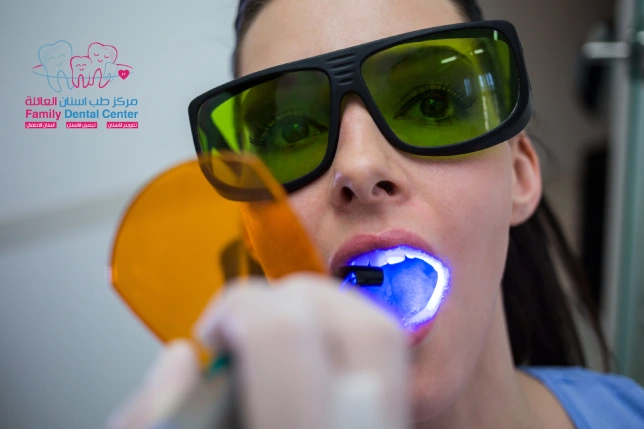
The dentist evaluates the problem, selects the appropriate laser type, and adjusts the wavelength. Protective glasses are provided, and the procedure begins with minimal noise or vibration. Most treatments are quick and painless.
: Aftercare guidelines and recovery tips
Post-treatment instructions may include gentle brushing, avoiding certain foods, and monitoring for mild sensitivity. Healing is usually rapid, and complications are rare.
: Finding the Right Laser Dentist
Choosing a trained and qualified professional is essential for safe and effective treatment.
Transition: The following guidelines will help you select the best laser dentist for your needs.
: Certifications and experience to look for
A reputable dentist should have certification in laser dentistry from recognized institutions such as the Academy of Laser Dentistry (ALD). Experience with both soft and hard-tissue lasers is also important.
: Questions to ask before starting treatment
Patients should ask about expected results, risks, recovery time, and whether a combination of laser and traditional methods will be needed.
: The Future of Laser Dentistry
Laser dentistry continues to evolve, offering increasingly precise, efficient, and patient-friendly solutions.
Transition: These advancements are shaping the next generation of dental care.
: Technological innovations (3D printing, digital smile design)
The integration of lasers with 3D printing, CAD/CAM systems, and digital smile design is redefining restorative and cosmetic dentistry. These technologies improve visualization, accuracy, and treatment outcomes.
: Eco-friendly and minimally invasive treatments
Lasers reduce the need for disposable tools, chemical disinfectants, and excessive anesthesia, making dental care more sustainable and minimally invasive.
: Personalized aesthetic dentistry for natural results
Customizable wavelengths, ergonomic handpieces, and AI-assisted treatment planning are enabling hyper-personalized dental care with highly natural results.
Conclusion
Laser dentistry represents one of the most significant advancements in modern dental care. With its ability to provide precise, minimally invasive, and highly comfortable treatments, laser technology continues to reshape how patients experience dental procedures. Whether you need gum contouring, cavity treatment, stain removal, or periodontal therapy, lasers offer a faster, cleaner, and more efficient alternative to traditional methods. While not suitable for every case, laser dentistry remains a powerful tool that enhances both oral health and aesthetic results. By choosing a qualified laser dentist and understanding what to expect during treatment, patients can enjoy long-term benefits, improved comfort, and healthier smiles. As technology evolves, the future of dental care will rely even more on innovations that make treatments safer, smarter, and more personalized.