

Introduction
Gum disease, also known as periodontal disease, is one of the most common yet overlooked oral health problems affecting millions of people worldwide. It begins silently with mild gum irritation or bleeding during brushing, but if left untreated, it can progress to serious infections that damage the bone and lead to tooth loss.
Understanding how to treat and prevent gum disease is essential not only for maintaining a healthy smile but also for protecting your overall health — as studies have linked gum infections to heart disease, diabetes, and other systemic conditions.
In this article, we’ll explore everything you need to know about gum disease treatment — from the early signs and causes to professional treatment options and at-home prevention tips. Whether you’re dealing with mild gingivitis or advanced periodontitis, learning the right care methods can help you restore gum health, stop bleeding, and prevent further complications.
Your gums are the foundation of your smile — and taking care of them is the key to lasting oral wellness.
What Is Gum Disease
Gum disease, medically known as periodontal disease, is an inflammatory condition that affects the tissues surrounding and supporting the teeth. It usually begins with bacterial plaque — a sticky film that builds up on the teeth — and, if not removed properly, leads to infection of the gums. Over time, this infection can spread deeper into the bone and connective tissues, threatening the stability of your teeth.
Early Signs and Symptoms of Gum Infections
The early stage of gum disease, known as gingivitis, often goes unnoticed because it develops slowly and causes minimal discomfort. However, there are clear warning signs to watch for — such as bleeding gums during brushing or flossing, redness or swelling, persistent bad breath, and gum tenderness. Some people may also notice their gums pulling away slightly from the teeth, creating small pockets where bacteria can accumulate. Detecting these symptoms early makes gum disease much easier to treat and even reversible at this stage.
(Transition: As the infection progresses without proper care, it can move beyond the gum line — leading to more serious damage.)
Stages of Gum Disease: From Gingivitis to Periodontitis
If gingivitis is not treated, it can advance to periodontitis, the more severe stage of gum disease. In this phase, the infection begins to destroy the bone and connective tissue that hold your teeth in place. Symptoms become more visible — including gum recession, loose teeth, and even tooth loss in advanced cases. Periodontitis often requires professional dental intervention such as deep cleaning, scaling, root planing, or even surgical procedures to restore gum health.
(Transition: Beyond the mouth, the consequences of gum disease extend much further than many realize.)
How Gum Problems Affect Your Oral and Overall Health
Gum disease doesn’t only harm your smile — it can also impact your overall health. Research has shown strong links between periodontal disease and systemic conditions such as heart disease, diabetes, stroke, and respiratory infections. The bacteria and inflammation originating from infected gums can enter the bloodstream, triggering immune responses throughout the body. This connection highlights why treating gum disease promptly is essential not only for maintaining your teeth but also for protecting your general well-being.
Common Causes of Gum Disease
Understanding the common causes of gum disease is key to preventing and treating it effectively. This oral condition often results from a combination of poor hygiene habits, lifestyle choices, and underlying health issues that affect gum health.
Poor Oral Hygiene and Plaque Buildup
The most frequent cause of gum disease is poor oral hygiene. When brushing and flossing are neglected, a sticky bacterial film known as plaque forms on the teeth. If not removed, plaque hardens into tartar, which irritates the gums and triggers inflammation. Over time, this buildup leads to gingivitis and, if untreated, progresses to periodontitis. Brushing twice daily and using dental floss regularly are essential habits to prevent plaque accumulation and maintain gum health.
Smoking, Stress, and Hormonal Changes
Smoking is another major factor that increases the risk of gum disease, as it reduces blood flow to gum tissues and slows healing. Additionally, chronic stress weakens the immune system, making the gums more vulnerable to bacterial infection. Hormonal changes — such as those occurring during pregnancy, puberty, or menopause — can also make gums more sensitive and prone to inflammation. Therefore, individuals in these stages should pay extra attention to their oral hygiene routines.
Underlying Health Conditions Like Diabetes
Certain systemic health conditions, especially diabetes, can significantly affect gum health. High blood sugar levels reduce the body’s ability to fight infection, leading to more severe and persistent gum inflammation. Likewise, conditions that suppress the immune system or medications like antidepressants and blood pressure drugs can increase gum sensitivity and dryness, creating a favorable environment for bacteria to thrive.
Transition: Now that we’ve explored the main causes of gum disease, it’s important to understand how these conditions can be treated effectively. In the next section, we’ll discuss the most common and advanced gum disease treatment options recommended by dental professionals.
Incorrect Orthodontic Treatment and Gum Inflammation
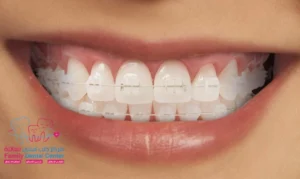
Poorly planned orthodontic treatment can negatively affect gum health. Misaligned braces or appliances create areas that are difficult to clean, leading to plaque buildup and irritation. This often results in gingivitis, characterized by red, swollen, and bleeding gums. Uneven pressure from improperly adjusted appliances can further damage gum tissue, increasing the risk of infection and potentially progressing to periodontitis. Maintaining healthy gums during orthodontic treatment requires proper planning by the orthodontist, diligent brushing with specialized tools, flossing, and regular dental check-ups. Effective hygiene ensures successful treatment without compromising gum health.

Effective Gum Disease Treatments
Treating gum disease effectively requires identifying the stage and severity of the condition. Early intervention can often reverse mild gum infections, while advanced cases may need a combination of deep cleaning, medication, and even surgery. Modern dentistry offers several proven methods to restore gum health and prevent tooth loss.
Non-surgical Deep Cleaning (Scaling and Root Planing)
For early to moderate stages of gum disease, non-surgical deep cleaning — known as scaling and root planing — is often the first step. Scaling involves removing plaque and hardened tartar deposits from the tooth surfaces and below the gum line. Root planing smooths the root surfaces to prevent future bacterial buildup and helps the gums reattach to the teeth. This procedure is typically performed under local anesthesia to ensure comfort. Patients may experience mild sensitivity or gum tenderness afterward, but these symptoms usually subside quickly. Deep cleaning is highly effective in controlling infection, reducing gum inflammation, and stopping disease progression without surgery.
Medications and Antibiotic Therapy
In conjunction with deep cleaning, antibiotic treatments are often prescribed to eliminate remaining bacteria and prevent reinfection. These medications can come in various forms — mouth rinses, gels, oral tablets, or localized antibiotic chips placed directly in gum pockets. Additionally, antiseptic mouthwashes and anti-inflammatory gels help soothe irritated tissues and reduce bacterial growth. While medication alone cannot cure gum disease, it enhances the effects of cleaning and supports healing. Dentists may also recommend temporary use of antimicrobial toothpaste or prescription rinses to maintain oral hygiene during recovery.
Surgical Treatments for Advanced Gum Disease
When gum disease progresses to an advanced stage (periodontitis), surgical intervention may be necessary to restore damaged tissues. Common procedures include flap surgery, where the gums are lifted to remove deep tartar deposits, and bone grafting or tissue regeneration, which help rebuild bone and gum tissue lost to infection. In cases of severe gum recession, soft tissue grafts are used to cover exposed roots and improve aesthetics. These surgical treatments not only restore the health of the gums but also strengthen the foundation of the teeth, preventing further damage.
Transition: Once gum disease has been treated, maintaining oral hygiene and attending regular dental checkups are crucial to prevent recurrence. The next section will explore how ongoing care and preventive habits help protect your gums for life.
Home Care and Prevention Tips
Maintaining healthy gums starts at home. Even after professional treatment, daily oral hygiene and healthy habits play a crucial role in preventing gum disease from returning. By following proper cleaning techniques, using dentist-recommended products, and adopting a gum-friendly diet, you can protect your smile for the long term.
Proper Brushing and Flossing Techniques
The foundation of gum health lies in effective brushing and flossing. Dentists recommend brushing at least twice a day using a soft-bristled toothbrush and fluoride toothpaste. Use gentle, circular motions at a 45-degree angle toward the gum line to remove plaque without irritating the gums. Electric toothbrushes can be especially effective for deep cleaning.
Equally important is daily flossing — it removes plaque and food particles from areas that a toothbrush cannot reach. Slide the floss gently between the teeth and curve it around each tooth to clean just beneath the gum line. Consistent brushing and flossing help reduce the risk of inflammation, bleeding, and gum infection.
Recommended Mouthwash and Regular Dental Checkups
Using an antibacterial or fluoride mouthwash can significantly reduce bacteria in the mouth and freshen breath. Rinsing daily helps reach hidden areas and supports gum healing after professional treatment. However, mouthwash should complement brushing and flossing, not replace them.
Regular dental checkups — ideally every six months — are essential for monitoring gum health. Your dentist can detect early signs of gingivitis or plaque buildup before they develop into serious issues. Professional cleanings remove tartar that home brushing cannot, ensuring long-term gum protection.
Nutrition and Habits That Promote Gum Health
Diet and lifestyle have a powerful influence on gum health. A balanced diet rich in vitamin C, calcium, and antioxidants strengthens gum tissue and boosts immunity. Crunchy fruits and vegetables, like apples and carrots, naturally help clean teeth and stimulate saliva flow. Limiting sugary snacks and acidic drinks prevents bacterial growth that leads to plaque formation.
Avoiding harmful habits such as smoking or chewing tobacco is equally important, as these reduce blood flow to the gums and slow down healing. Staying hydrated, managing stress, and maintaining a healthy lifestyle all contribute to stronger, more resilient gums.
Transition: With proper home care and regular dental supervision, gum disease can be effectively controlled and even prevented. In the next section, we’ll explore the long-term benefits of consistent gum maintenance and how it supports overall health.
When to See a Periodontist
Gum health is vital to your overall dental well-being, and sometimes regular brushing and dental cleanings aren’t enough to stop disease progression. That’s when a periodontist, a specialist in gum and bone health, becomes essential. Knowing when to seek professional gum care can make the difference between saving your natural teeth and facing advanced dental problems later on.
Signs You Need Professional Gum Care
You should consider seeing a periodontist if you notice persistent bleeding while brushing or flossing, swollen or receding gums, or chronic bad breath that doesn’t improve with routine hygiene. These are early indicators of gingivitis or periodontitis, conditions that can silently damage the tissues supporting your teeth.
Other warning signs include loose or shifting teeth, changes in your bite alignment, and pain or sensitivity when chewing. Even if your symptoms seem mild, gum disease can progress quietly beneath the surface, affecting the bone that anchors your teeth. Early diagnosis allows for less invasive treatments and faster recovery.
How a Specialist Can Save Your Teeth and Gums
A periodontist uses advanced diagnostic tools and specialized treatments to stop gum disease at its source. They can perform deep cleaning procedures, such as scaling and root planing, to remove hidden plaque and bacteria. In more advanced cases, surgical treatments can regenerate lost bone and tissue, restoring gum health and stability.
Beyond treatment, a periodontist helps create a personalized maintenance plan, guiding you on home care and preventive checkups to keep your gums healthy long-term. Seeking specialized care early not only prevents tooth loss but also protects your overall health — since gum infections are linked to conditions like heart disease and diabetes.
Long-Term Benefits of Treating Gum Disease
Treating gum disease is not just about solving a short-term dental issue — it’s an investment in your overall health and confidence. Early and consistent care can transform your smile, protect your teeth, and even reduce risks to your general well-being.
Healthier Smile and Fresher Breath
One of the most noticeable results of gum disease treatment is a healthier, more attractive smile. When your gums are free from infection and inflammation, they appear pink and firm, creating a clean and natural frame for your teeth. Professional cleaning removes plaque, tartar, and stains, giving your smile a brighter appearance.
Additionally, treating gum disease eliminates the bacteria that cause chronic bad breath. Many people with periodontitis experience persistent halitosis due to trapped food particles and decaying tissue beneath the gum line. Once these bacteria are removed and the gums heal, your breath becomes noticeably fresher, boosting confidence in daily interactions.
Reduced Risk of Tooth Loss and Systemic Diseases
Healthy gums are essential for keeping your teeth firmly in place. Untreated gum disease can destroy the bone and connective tissue that support teeth, eventually leading to loosening and tooth loss. By controlling infection early and maintaining regular dental care, you can preserve your natural teeth for life.
Beyond oral health, gum disease has been linked to several systemic conditions, including heart disease, diabetes, and respiratory infections. Treating and managing gum inflammation may help lower your body’s overall inflammation levels, reducing risks to major organs.
In essence, caring for your gums strengthens both your smile and your long-term health — proving that prevention and treatment are always worth the effort.
Conclusion
Gum disease might start small — with a little bleeding or tenderness — but if left untreated, it can lead to serious oral and overall health problems. Through proper diagnosis, timely treatment, and consistent home care, you can protect your gums, preserve your natural teeth, and enjoy a confident, healthy smile for years to come. Whether you need deep cleaning, medication, or advanced periodontal care, taking early action is key to preventing long-term damage. Remember, healthy gums are the foundation of a beautiful smile and a vital part of your overall wellness. Don’t wait for the symptoms to worsen — visit your dentist or periodontist today to keep your gums strong and disease-free.