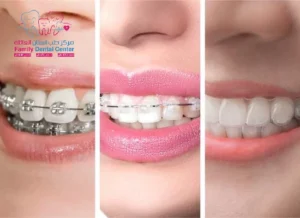

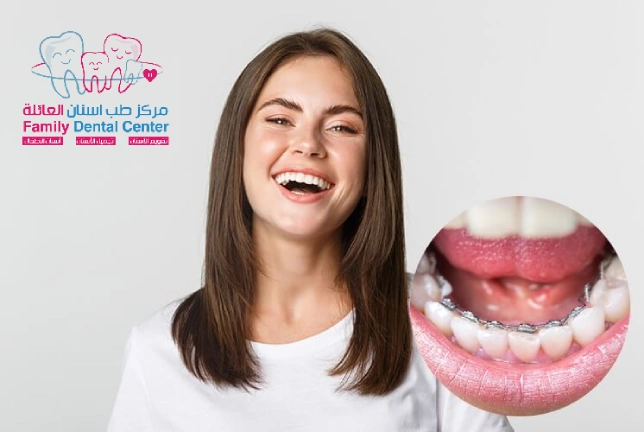
Sublingual braces, also known as lingual braces, are an innovative orthodontic solution designed to straighten teeth discreetly. Unlike traditional braces, these brackets are placed behind the teeth, making them virtually invisible from the front. This hidden approach allows patients to achieve a beautiful, aligned smile without compromising aesthetics. Sublingual braces are suitable for both adults and teens who prefer a subtle treatment option. This guide explores how sublingual braces work, their benefits, potential risks, costs, and expert tips for successful treatment.
What Are Sublingual Braces?
Sublingual braces, also called lingual braces, are a type of orthodontic treatment designed to straighten teeth while remaining virtually invisible. Unlike traditional braces that are placed on the front surface of the teeth, sublingual braces are attached to the back, or lingual, side of the teeth. This placement makes them an ideal choice for individuals who want an effective orthodontic solution without altering their outward appearance. Custom-made for each patient, sublingual braces consist of metal brackets and wires that are carefully shaped to fit the contours of the inner tooth surfaces.
Treatment begins with a dental consultation, including detailed impressions or digital scans of the teeth. These scans help create a personalized plan, ensuring that brackets and wires apply precise pressure to move teeth gradually into their correct positions. Sublingual braces can treat a wide range of orthodontic issues, from mild crowding and spacing problems to more complex bite irregularities. Patients typically require periodic visits to adjust the wires and monitor progress
How They Differ from Traditional Braces
The most significant difference between sublingual braces and traditional braces is visibility. While conventional braces are mounted on the front of the teeth, lingual braces remain hidden behind the teeth, offering a discreet alternative. Additionally, sublingual braces often require more specialized training for orthodontists because the placement and adjustments are technically more challenging. Patients may experience a period of adaptation, especially regarding tongue movement and speech, which usually improves over time. Unlike clear aligners, sublingual braces are fixed, providing continuous pressure on teeth for precise movement. Overall, they combine the effectiveness of traditional braces with a nearly invisible appearance, making them a preferred choice for adults and image-conscious patients seeking professional orthodontic treatment.
Benefits and Drawbacks
Sublingual braces offer several key benefits compared to traditional braces and other orthodontic options. Their most obvious advantage is invisibility—since they are attached to the back of the teeth, they allow patients to straighten their teeth discreetly, making them ideal for adults and professionals concerned about appearance. They are also fixed appliances, providing continuous, precise pressure on teeth, which can be more effective for complex alignment and bite issues than removable clear aligners.
However, sublingual braces also have some drawbacks. They are generally more expensive than traditional braces due to the customized design and specialized orthodontist training required for placement and adjustments. Patients may experience initial discomfort or irritation on the tongue, which can temporarily affect speech and eating. Oral hygiene is more challenging because cleaning behind the teeth is harder than with standard braces. Despite these challenges, with proper care and follow-ups, sublingual braces can deliver excellent, discreet orthodontic results.
Ideal Candidates and Suitability
Sublingual braces are best suited for adults and teens who are committed to maintaining oral hygiene and attending regular orthodontic appointments. They are particularly appealing to individuals seeking a discreet treatment option, such as professionals or public figures, since the braces are hidden behind the teeth. Ideal candidates typically have mild to moderate crowding, spacing, or bite issues. Complex cases can also be treated, though suitability depends on the orthodontist’s assessment and customization capabilities. Patients must be comfortable with potential initial tongue irritation and a brief adjustment period for speech. Those who require continuous tooth movement and precise control may benefit more from sublingual braces than from removable aligners. Ultimately, success depends on patient commitment, proper care, and guidance from a trained orthodontist.
Treatment Process
The treatment process for sublingual braces is carefully planned to ensure effective tooth movement while maintaining patient comfort. It begins with a comprehensive dental evaluation, including X-rays, impressions, or digital scans of the teeth. These records help the orthodontist design a fully customized plan that addresses alignment, bite, and spacing issues. Once the plan is approved, custom brackets and wires are fabricated to fit the back surfaces of the teeth precisely. Patients usually attend a placement appointment, where the brackets are bonded to the inner tooth surfaces, and the archwires are installed. Follow-up visits are scheduled regularly to adjust the wires, monitor progress, and make minor modifications as needed.
Procedure and Duration
The procedure for sublingual braces is more intricate than traditional braces due to their placement behind the teeth, requiring specialized orthodontic training. Initial appointments may take longer as the brackets are carefully positioned to avoid irritation and ensure proper alignment. Most patients experience a brief adjustment period for speech and tongue comfort. Treatment duration varies depending on case complexity, typically ranging from 12 to 36 months. Regular follow-ups are crucial to monitor tooth movement and ensure the treatment progresses as planned. With consistent care and proper oral hygiene, sublingual braces can achieve precise, long-lasting results while remaining nearly invisible throughout the process.
Costs and Providers
The cost of sublingual braces varies widely depending on the provider, case complexity, and materials used. Custom fabrication and the specialized training required for placement make lingual braces generally more expensive than traditional braces or clear aligners. Prices can also differ between orthodontic clinics, with high-end clinics offering advanced digital planning and premium service options. Patients are advised to schedule consultations with multiple certified providers to compare costs, treatment plans, and follow-up care. While the initial investment may be higher, many patients find the discreet appearance and effectiveness of sublingual braces worth the expense. Some clinics may also offer flexible payment plans or financing options to make treatment more accessible. Choosing a reputable orthodontist ensures both safety and optimal results throughout the treatment process.
Risks and Maintenance
Sublingual braces, like all orthodontic treatments, come with certain risks and require diligent maintenance. Patients may experience temporary tongue irritation or soreness, especially during the first weeks after placement. Proper oral hygiene is crucial, as food particles can accumulate around the brackets behind the teeth, increasing the risk of cavities and gum issues. Regular dental check-ups allow the orthodontist to monitor progress and address any discomfort promptly. Patients should also avoid sticky or hard foods that can damage brackets or wires. Despite these challenges, consistent care and adherence to instructions help minimize risks, ensuring the braces remain effective and safe throughout the treatment duration.
Conclusion
Sublingual braces offer a discreet and effective solution for individuals seeking a straight, confident smile without the visibility of traditional braces. While they require careful maintenance, professional supervision, and a higher initial investment, their ability to provide precise, long-lasting results makes them an appealing choice for adults and teens alike. By understanding the treatment process, potential risks, and costs, patients can make informed decisions and achieve a beautifully aligned smile with confidence.
FAQs
Are lingual braces better than Invisalign?
Lingual braces are more suitable for complex dental cases because they are fixed and allow precise tooth movement. Invisalign offers comfort and removability, making it ideal for mild to moderate corrections. The best choice depends on treatment needs, lifestyle, and how discreet you want your braces to be.
What are the disadvantages of lingual braces?
Lingual braces can be uncomfortable at first, causing tongue irritation and speech changes. They are harder to clean due to their position behind the teeth. They also tend to be more expensive than traditional braces and require an experienced orthodontist for proper placement.
Are lingual braces faster than regular braces?
Lingual braces usually take a similar amount of time as traditional braces. Mild cases may progress slightly faster, but complex cases often require the full standard treatment period. The speed depends on individual dental conditions and regular adjustment visits.
How long do lingual braces stay on?
Lingual braces typically remain on teeth for 12 to 24 months. The duration depends on case complexity, severity of misalignment, and patient compliance with orthodontic instructions. After removal, retainers are usually recommended to maintain results.
How effective are lingual braces?
Lingual braces are highly effective because they use brackets and wires similar to traditional braces. They can correct crowding, spacing, overbite, underbite, and rotations. Since they are fixed, treatment progress does not depend on daily wear compliance. Results are comparable to conventional braces when managed by an experienced orthodontist.
What are lingual braces?
Lingual braces are orthodontic appliances attached to the inner (tongue-facing) surface of the teeth. They function like traditional metal braces but remain hidden from view. Custom brackets and wires are designed to fit the shape of each tooth. This makes them a discreet yet powerful option for teeth straightening.
How long does it take for lingual braces to work?
Treatment time usually ranges from 12 to 24 months, depending on the severity of the case. Mild spacing issues may improve faster, while complex bite problems require longer correction. Regular adjustments help maintain steady progress. The orthodontist determines the timeline after a full evaluation.
Do lingual braces close gaps?
Yes, lingual braces are effective at closing gaps between teeth. They apply controlled pressure to gradually move teeth closer together. This works for both small spacing issues and larger diastemas. Proper retention after treatment is important to maintain the closed gaps.
Can you eat with lingual braces?
You can eat with lingual braces, but certain precautions are necessary. Hard, sticky, or very crunchy foods should be avoided to protect the brackets and wires. It’s best to cut food into smaller pieces and chew carefully. Maintaining good oral hygiene after meals is essential to prevent plaque buildup.