
What Is Cosmetic Dentistry?
Definition and Main Goals of Cosmetic Dentistry
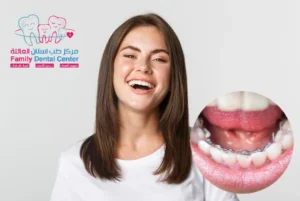
Cosmetic dentistry is a specialized branch of dental science that focuses on enhancing the appearance of a person’s teeth, gums, and smile. While traditional dentistry emphasizes preventing, diagnosing, and treating oral diseases, cosmetic dentistry aims to improve the visual appeal of the mouth. The main goal is to achieve a natural, harmonious, and confident smile through procedures that correct imperfections such as tooth discoloration, misalignment, gaps, chips, and irregular shapes. Treatments like teeth whitening, veneers, Invisalign aligners, and dental bonding are commonly used to create aesthetic transformations. Cosmetic dentistry combines medical precision with artistry, helping patients not only look better but also feel more confident and satisfied with their smiles.
How It Differs from General Dentistry
While both cosmetic and general dentistry involve maintaining oral health, they differ in purpose and approach. General dentistry focuses on preventing and treating dental problems such as cavities, gum disease, and tooth decay—ensuring that the mouth is healthy and functional. Cosmetic dentistry, on the other hand, goes beyond health to focus on aesthetics. For example, a general dentist may restore a decayed tooth with a metal filling, while a cosmetic dentist might use a tooth-colored composite to make it look natural. Cosmetic treatments often require advanced technology, precision, and a deep understanding of facial proportions to deliver results that are both functional and visually appealing. In short, cosmetic dentistry blends science and art to create smiles that not only work well but also look beautiful.
The Growing Demand for Aesthetic Dental Treatments
In recent years, there has been a significant rise in demand for cosmetic dental procedures worldwide. People are increasingly aware of the impact a bright, well-aligned smile can have on their confidence, career, and social life. With the rise of social media and digital communication, smiles are more visible than ever, making dental aesthetics a key part of personal image. Advancements in technology—such as digital smile design, laser treatments, and 3D imaging—have also made cosmetic dentistry more accessible, comfortable, and precise. Moreover, treatments are now faster and less invasive, attracting people of all ages. Whether it’s a simple whitening session or a full smile makeover, cosmetic dentistry continues to evolve as a modern solution for those seeking both beauty and oral wellness.
Common Types of Cosmetic Dental Procedures
Teeth Whitening and Stain Removal
One of the most popular and accessible cosmetic dental treatments is teeth whitening, designed to remove stains and discoloration caused by coffee, tea, smoking, or aging. Professional whitening procedures use safe bleaching agents, such as hydrogen peroxide, to penetrate the enamel and restore the teeth’s natural brightness. Unlike over-the-counter products, in-office whitening offers faster and longer-lasting results, often within just one session. For people seeking convenience, take-home whitening kits supervised by dentists can also achieve impressive outcomes. A brighter smile instantly enhances confidence and is often the first step many patients take toward aesthetic dental improvement.
Dental Veneers and Laminates
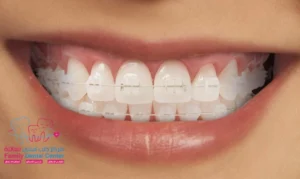
Dental veneers are thin, custom-made shells—usually made of porcelain or composite resin—that are bonded to the front surface of the teeth. They are ideal for correcting cosmetic flaws such as chips, gaps, discoloration, or irregular shapes. Veneers provide a natural and durable finish, transforming the appearance of a smile within a few visits. Laminates, which are ultra-thin versions of veneers, require minimal enamel removal and are perfect for patients who prefer a less invasive approach. Both options create an even, radiant smile that can last for more than a decade with proper care.
Invisalign and Orthodontic Smile Correction
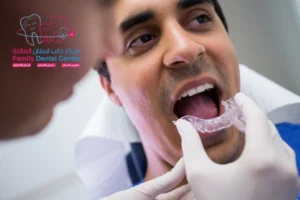
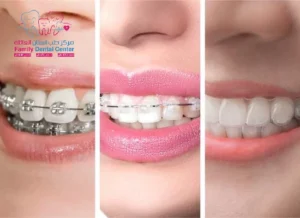
For individuals with crooked or misaligned teeth, Invisalign offers a discreet and comfortable alternative to traditional braces. This system uses clear aligners that gradually shift teeth into proper alignment without metal wires or brackets. Invisalign is especially effective for mild to moderate orthodontic issues such as spacing, crowding, and minor bite problems. Its removability allows for easier eating and cleaning, making it a convenient option for adults and teens alike. With regular monitoring by an orthodontist, Invisalign can deliver a straighter, more balanced smile in as little as 6–18 months.
Dental Bonding and Reshaping
Dental bonding is a quick and affordable procedure that involves applying a tooth-colored resin to repair small imperfections like chips, cracks, or minor gaps. The material is sculpted, hardened with a curing light, and polished to match the surrounding teeth seamlessly. Tooth reshaping (also called contouring) can be performed alongside bonding to smooth edges or adjust tooth length, improving symmetry and balance. These treatments are minimally invasive and often completed in one visit, offering immediate cosmetic enhancement.
Gum Contouring and Smile Design
A beautiful smile isn’t just about teeth—gum shape and proportion also play a major role. Gum contouring, also known as gum reshaping, removes excess gum tissue to correct a “gummy smile” or uneven gum line. Using laser technology, dentists can sculpt the gums precisely with minimal discomfort and quick healing. This procedure is often part of a comprehensive smile design plan, where digital tools help visualize the final result before treatment begins. Together, these cosmetic dental procedures provide personalized solutions to achieve a naturally beautiful, confident smile.
Benefits of Cosmetic Dentistry
Boosting Self-Confidence and Social Interaction
A beautiful smile can significantly transform the way a person feels and interacts with others. One of the main benefits of cosmetic dentistry is the boost in self-confidence it provides. When people are proud of their smiles, they tend to smile more often, engage more comfortably in conversations, and leave a positive impression in both personal and professional settings. Procedures like teeth whitening, veneers, or Invisalign can eliminate aesthetic concerns that make individuals feel self-conscious. The result is a natural, radiant smile that enhances self-esteem and promotes better social connections. This psychological benefit often goes beyond appearance—it can also improve a person’s outlook on life and encourage more open, confident communication.
Improving Oral Health Through Aesthetic Alignment
While cosmetic dentistry focuses on appearance, many treatments also improve overall oral health. For instance, Invisalign and orthodontic treatments not only align teeth for a more attractive smile but also make brushing and flossing easier, reducing the risk of cavities and gum disease. Similarly, restorative aesthetic procedures such as bonding or veneers can protect damaged enamel and restore tooth structure. By correcting uneven spacing or bite issues, these treatments help distribute chewing pressure evenly, preventing long-term wear or jaw discomfort. Therefore, cosmetic dentistry is not just about beauty—it’s also a functional improvement that promotes better hygiene and dental health.
Long-Term Results and Low Maintenance
Modern cosmetic dental treatments are designed for durability and easy maintenance, providing results that last for years with minimal effort. Porcelain veneers, for example, are stain-resistant and can maintain their brightness for over a decade. Teeth whitening results can also last longer with simple lifestyle habits, like avoiding staining foods and maintaining regular dental cleanings. Invisalign and other orthodontic treatments produce permanent alignment results, especially when patients wear retainers as instructed. In general, cosmetic dentistry offers long-lasting value, combining beauty with practicality. With routine checkups and good oral hygiene, patients can enjoy a stunning, healthy smile that continues to look and feel great for years to come.
In summary, cosmetic dentistry goes far beyond enhancing appearance—it empowers confidence, supports oral health, and delivers sustainable, low-maintenance results, making it a worthwhile investment in both aesthetics and well-being.
Potential Risks and Limitations
Overuse of Whitening Products and Enamel Sensitivity
While teeth whitening is one of the most popular cosmetic dental treatments, excessive or improper use of whitening agents can lead to enamel erosion and tooth sensitivity. Over-the-counter whitening kits, when used without professional supervision, may contain high concentrations of peroxide that weaken enamel over time. This can cause discomfort when consuming hot or cold foods. Dentists typically recommend controlled, professional whitening sessions that balance safety with effective results. Sensitivity is often temporary, but continuous misuse can lead to long-term damage, making moderation and expert guidance essential.
Cost Considerations and Insurance Coverage
Cosmetic dentistry is often seen as an investment in confidence and aesthetics, but it can also be financially demanding. Many procedures such as veneers, bonding, and whitening are not covered by dental insurance because they are considered elective rather than medically necessary. Costs vary based on complexity, materials used, and the dentist’s expertise. Patients should discuss payment plans or financing options with their clinic to avoid unexpected expenses. Understanding the cost-to-benefit ratio helps ensure that the treatment is both affordable and sustainable in the long run.
When Cosmetic Treatments May Not Be Suitable
Not all patients are ideal candidates for cosmetic procedures. Individuals with active gum disease, severe decay, or underlying bite issues should address these problems before pursuing aesthetic treatments. Similarly, people with unrealistic expectations or those who neglect oral hygiene may not benefit from cosmetic enhancements. A professional consultation helps determine if a patient’s dental structure, lifestyle, and health align with the desired procedure. In short, cosmetic dentistry can deliver outstanding results, but it must be approached with realistic goals, proper evaluation, and professional care to avoid complications or disappointment.
How to Choose the Right Cosmetic Dentist
Qualifications and Certifications to Look For
Selecting the right cosmetic dentist is crucial for achieving a safe and natural-looking smile. Look for professionals who have advanced training or certifications in aesthetic dentistry from reputable organizations. Membership in bodies such as the American Academy of Cosmetic Dentistry (AACD) or equivalent associations is a strong indicator of expertise. Additionally, dentists who pursue continuous education in modern techniques and technologies tend to provide higher-quality results and safer procedures.
Importance of Before-and-After Photos and Patient Reviews
Before deciding on a dentist, review their portfolio of before-and-after photos to evaluate the quality of their work. Authentic, unedited images reflect the dentist’s artistic skill and technical precision. Patient testimonials and online reviews also offer valuable insights into clinic professionalism, communication, and patient satisfaction. A strong track record of positive feedback is a good sign of reliability and experience in delivering consistent, beautiful outcomes.
Questions to Ask During Consultation
A consultation is an opportunity to understand both the process and expectations of treatment. Patients should ask about the treatment duration, materials used, potential risks, and expected results. Inquiring about follow-up care and maintenance tips can also help ensure lasting outcomes. A trustworthy dentist will take time to answer questions transparently and may even use digital smile design tools to preview results before treatment. Choosing the right cosmetic dentist is not just about skill — it’s about finding someone who listens, understands, and personalizes care for each unique smile.
The Future of Cosmetic Dentistry
Technological Innovations (3D Printing, Digital Smile Design)
The future of cosmetic dentistry is being shaped by cutting-edge technology that enhances precision, comfort, and customization. 3D printing now allows dentists to create crowns, veneers, and aligners with remarkable accuracy and faster turnaround times. Meanwhile, digital smile design (DSD) uses computer simulations to help patients visualize their results before any procedure begins, ensuring satisfaction and confidence in the outcome. These technologies not only improve accuracy but also make treatments more efficient and patient-friendly.
Eco-Friendly and Minimally Invasive Treatments
As sustainability becomes a global concern, dentistry is evolving toward eco-friendly and minimally invasive practices. Biocompatible materials, low-waste digital impressions, and laser treatments are reducing the environmental footprint of dental care. Moreover, non-invasive procedures—such as laser whitening and bonding—preserve natural tooth structure while minimizing discomfort and recovery time. This shift reflects a new era of dentistry that prioritizes both health and environmental responsibility.
Personalized Aesthetic Dentistry for Natural Results
Modern patients seek smiles that look natural, not artificial. The next generation of cosmetic dentistry focuses on personalized treatments tailored to facial symmetry, personality, and lifestyle. Advanced imaging and AI tools now help dentists design smiles that complement individual features for a more authentic look. The emphasis is moving away from “perfect” teeth to harmonious, naturally beautiful smiles. With these advancements, the future of cosmetic dentistry promises greater comfort, precision, sustainability, and artistic expression—making every smile truly one of a kind.
Conclusion: The Power of a Confident Smile
Cosmetic dentistry has evolved from being a luxury to becoming a practical path toward confidence, oral health, and self-expression. From teeth whitening and veneers to Invisalign and smile design, today’s treatments combine science and artistry to create natural, radiant results. However, success depends on choosing the right dentist, maintaining good oral hygiene, and understanding both the benefits and limitations of each procedure.
As technology continues to advance—with 3D printing, AI-driven design, and eco-friendly materials—the future of cosmetic dentistry promises safer, faster, and more sustainable solutions for every smile. Whether you’re looking to correct imperfections or simply enhance your natural beauty, investing in cosmetic dentistry is ultimately an investment in confidence that shines through every smile.